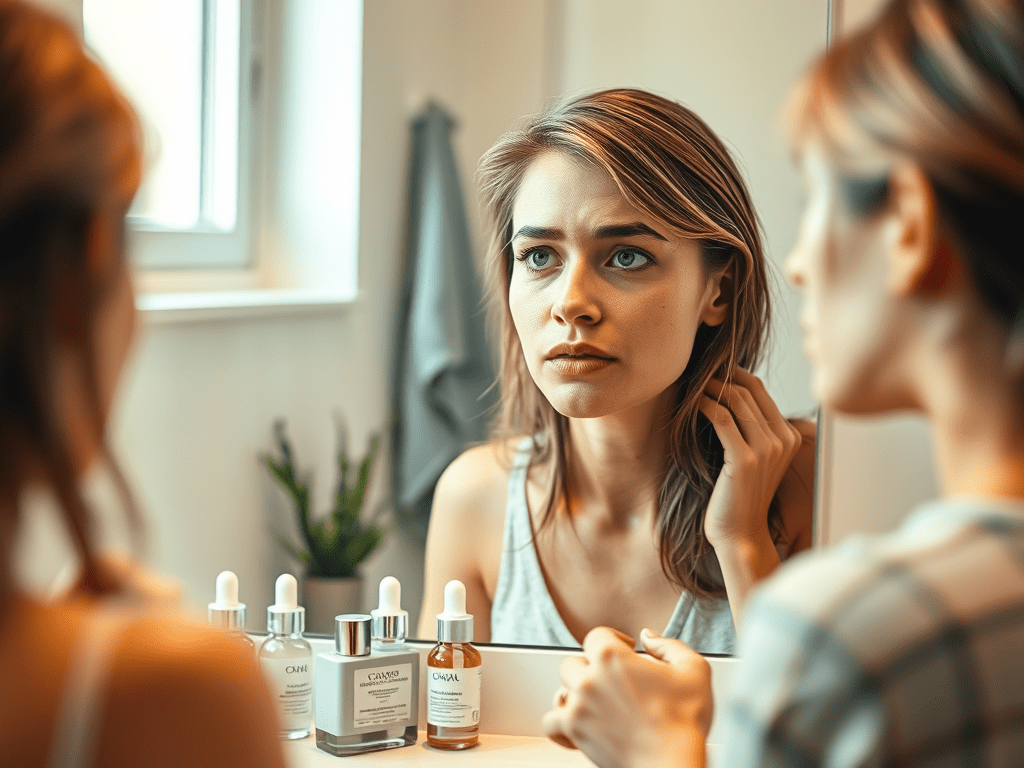
You expected breakouts to end after high school—but here you are in your 30s, waking up to new pimples like it’s prom season all over again. If you’re still getting acne well into adulthood, you’re far from alone. Adult acne is on the rise, especially among women, and it’s not just a repeat of your teenage skin woes.
These breakouts often show up in different places, behave differently, and don’t respond to the same treatments that worked back in the day. The emotional frustration can be just as intense—especially when you’re juggling a career, relationships, and self-image.
Let’s dive into why acne happens in your 30s, what makes it different from teenage acne, and how you can take real steps to manage it.
What Causes Adult Acne in Your 30s?
While teenage acne is primarily fueled by puberty-driven hormone surges, adult acne tends to be more complex. Here are the major players:
1. Hormonal Shifts
Fluctuations in estrogen and androgens, especially around your menstrual cycle, pregnancy, perimenopause, or after stopping birth control, can trigger breakouts—often deep, painful cysts on the chin, jawline, or neck.
2. Chronic Stress
Your 30s are full of responsibility: careers, kids, life transitions. Stress raises cortisol levels, which in turn stimulates oil production in the skin. More oil = more clogged pores.
3. Lifestyle and Skincare Habits
That night cream you’ve been using for “anti-aging”? It could be clogging your pores. Similarly, certain makeup, hair products, or even pillowcases can introduce comedogenic ingredients to the skin. Add lack of sleep and occasional junk food into the mix, and it’s easy to see how adult skin can get out of balance.
4. Underlying Medical Issues
Conditions like polycystic ovary syndrome (PCOS) or thyroid dysfunction can lead to persistent acne. These cases usually require a collaborative treatment approach between dermatologists and primary care or OB-GYN providers.
How Is Adult Acne Different From Teenage Acne?
- Location: Teen acne typically covers the entire face; adult acne is more common on the lower third (jawline, chin, neck).
- Type: Adults often get inflammatory cysts or nodules, not just blackheads or whiteheads.
- Persistence: Adult acne tends to be chronic and cyclical, flaring around hormonal shifts.
- Scarring & Hyperpigmentation: Adult skin heals more slowly and is prone to post-inflammatory dark spots, especially in people with medium to darker skin tones.
How to Treat Acne in Your 30s
The first step is acknowledging that adult acne is a medical condition, not a personal failure. The good news? There are plenty of modern treatments that work.
1. Prescription Treatments
- Topical Retinoids (like tretinoin or adapalene): Help prevent clogged pores and smooth fine lines—bonus!
- Topical or Oral Antibiotics: Reduce bacterial inflammation.
- Spironolactone: A go-to oral medication that blocks androgens and reduces oil production, particularly effective for hormonal breakouts.
- Hormonal Birth Control: Certain formulations can regulate acne-triggering hormone fluctuations.
2. Medical-Grade Skincare
Look for non-comedogenic products and focus on ingredients like:
- Niacinamide (anti-inflammatory)
- Salicylic acid (exfoliating)
- Benzoyl peroxide (antibacterial)
- Azelaic acid (brightening and calming)
3. Professional Procedures
- Chemical peels, light therapy, and microneedling can help both clear breakouts and fade lingering marks.
Lifestyle Tips for Long-Term Skin Health
- Don’t skip moisturizer—hydrated skin is less likely to overproduce oil.
- Clean your pillowcase and phone screen regularly.
- Limit dairy and high-glycemic foods if you notice a pattern.
- Manage stress with sleep, movement, and mindfulness.
When to See a Dermatologist
If your acne is affecting your confidence, causing scars, or just won’t go away, it’s time for a professional opinion. A board-certified dermatologist can assess your skin, rule out underlying conditions, and build a treatment plan that’s realistic and effective for your lifestyle.
You’re not a teenager anymore—and you deserve more than teenage acne.
adult acne, acne in 30s, hormonal acne, acne after 30, cystic acne, acne treatments for women, chin acne, lower face breakouts
#adultacne #acneover30 #skincarehelp #hormonalacne #dermatology
 Zehn Skin and Health
Leave a comment