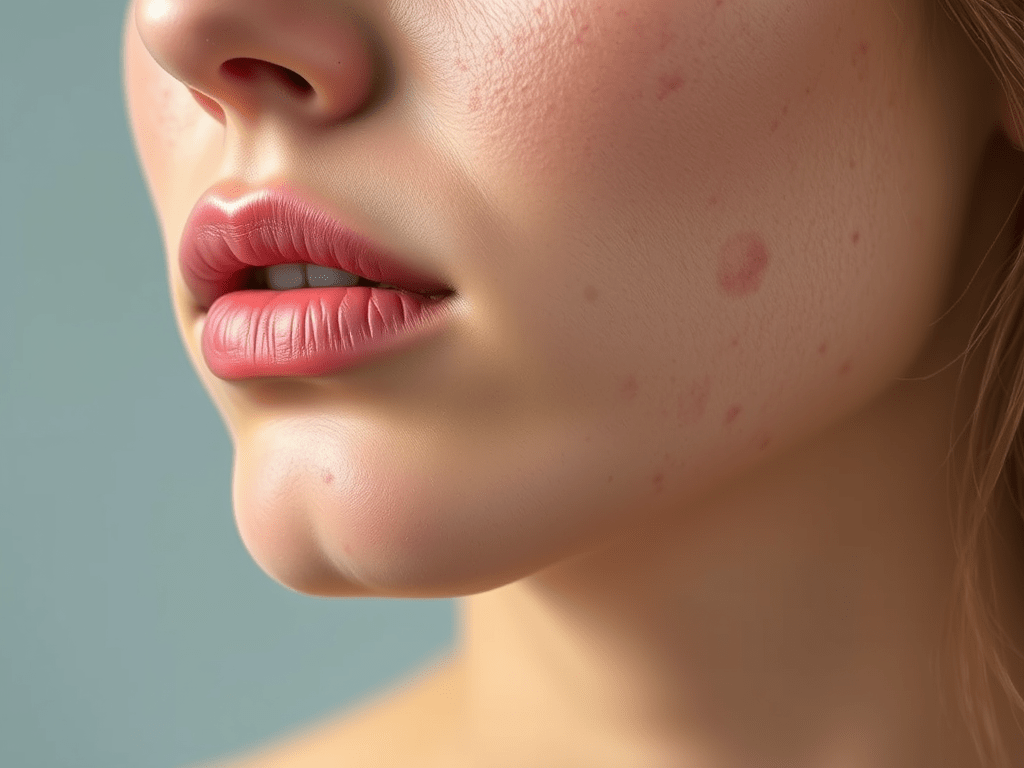
If you notice a recurring pattern of breakouts along your jawline—especially around the same time every month—you’re likely dealing with hormonal acne. This frustrating form of acne affects countless adult women, particularly in their 20s, 30s, and even 40s, long after they thought puberty was behind them.
Unlike teenage acne, hormonal acne is typically deeper, more inflamed, and often centered around the lower face—including the jawline, chin, and neck. It’s painful, persistent, and unfortunately, it rarely responds to the same over-the-counter solutions that worked when you were younger.
Let’s explore what causes hormonal acne, why it appears on the jawline, and how you can finally get control over these monthly breakouts.
What Is Hormonal Acne?
Hormonal acne is triggered by fluctuations in your body’s natural hormone levels—particularly androgens like testosterone, which can increase oil (sebum) production in the skin. This excess oil clogs pores, traps bacteria, and leads to the painful cystic or nodular acne that tends to show up in cyclical patterns—usually 1–2 weeks before your period.
You may also notice that your breakouts are:
- Tender or sore to the touch
- Located along the jawline, chin, or cheeks
- Worse during times of stress, ovulation, or PMS
- Resistant to standard acne washes and spot treatments
Why the Jawline?
The jawline and chin area contain a high concentration of oil glands that are more sensitive to hormonal changes. When testosterone levels rise (even slightly), these glands can go into overdrive. The result? Deep, inflamed pimples that don’t easily come to a head and tend to linger.
This pattern can also be worsened by friction from pillowcases, phones, or helmet straps in that area, as well as by the use of heavy skincare or makeup products that clog pores.
Who Gets Hormonal Acne?
Hormonal acne affects a wide range of women, but you’re more likely to experience it if you:
- Are in your late 20s to 40s
- Have irregular periods or signs of polycystic ovary syndrome (PCOS)
- Recently stopped or started hormonal birth control
- Have a family history of adult acne
- Experience high levels of chronic stress
Even women with otherwise healthy lifestyles and skincare routines can experience hormonal acne. It’s not about cleanliness—it’s about biology.
How to Treat Hormonal Acne: What Actually Works?
Unlike surface-level pimples, hormonal breakouts require treatments that work from the inside out. Here’s a breakdown of the most effective options:
1. Hormonal Therapies
- Spironolactone: This oral medication blocks androgen receptors, reducing oil production and calming hormonal breakouts. It’s widely prescribed for adult female acne.
- Combined oral contraceptives: Certain birth control pills can regulate hormones and improve acne over time. Look for ones with ethinyl estradiol and drospirenone.
2. Topical Treatments
While hormonal acne is driven internally, topical treatments can still help reduce inflammation:
- Retinoids (like adapalene or tretinoin): Promote cell turnover and prevent clogged pores.
- Azelaic acid: Calms inflammation and helps fade post-acne marks.
- Benzoyl peroxide: Fights acne-causing bacteria, though often better for spot treatment rather than deep cysts.
3. Diet and Lifestyle Support
Some studies suggest that reducing high-glycemic foods (like sugary snacks and refined carbs) and dairy may help some women. Also:
- Prioritize sleep and stress management (as stress spikes cortisol, which affects hormones).
- Stick to non-comedogenic skincare and avoid over-washing or scrubbing.
When Should You See a Dermatologist?
If your breakouts are painful, cyclical, and leaving scars—or if they’re affecting your confidence and mental health—it’s time to see a dermatologist. With the right combination of medical treatment and skincare, hormonal acne can absolutely be managed.
And remember: you’re not alone. Adult female acne is extremely common, but that doesn’t mean you have to suffer through it.
hormonal acne, jawline acne, adult female acne, monthly breakouts, period pimples, chin acne, cyclical acne, acne before period
#hormonalacne #periodbreakouts #acne #jawlineacne #skincarehelp
 Zehn Skin and Health
Leave a comment