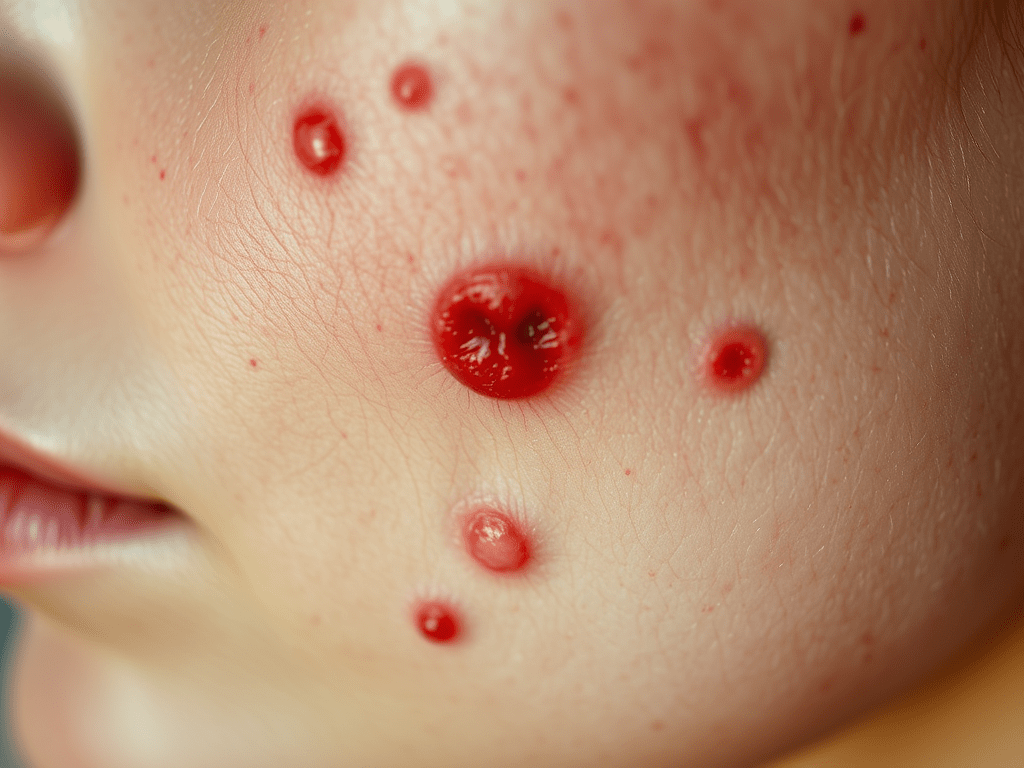
If you’ve ever dealt with those deep, painful pimples that seem to linger for weeks—or even months—you’re not alone. Cystic acne is one of the most stubborn and frustrating forms of acne. Unlike surface-level whiteheads or blackheads, cystic pimples form deep beneath the skin, often feeling swollen and tender to the touch. These blemishes can be disfiguring, emotionally draining, and incredibly resistant to over-the-counter treatments.
But what exactly is cystic acne, and why does it feel like it never goes away?
What Is Cystic Acne?
Cystic acne is a severe type of inflammatory acne. It occurs when pores become clogged with dead skin cells, oil, and bacteria—but instead of rising to the surface, the infection festers deep within the skin. This leads to large, red, painful nodules or cysts that can last for weeks and often leave behind scars.
Common areas affected include the cheeks, chin, jawline, neck, chest, and back.
What Causes Cystic Acne?
Several factors can contribute to cystic acne, including:
- Hormonal fluctuations – Particularly in teenagers, menstruating individuals, and those with PCOS or other endocrine disorders.
- Genetics – If one or both of your parents had severe acne, your risk increases.
- Diet and lifestyle – While not always the root cause, diets high in sugar or dairy can exacerbate breakouts in some people.
- Stress – Stress increases cortisol, which can stimulate oil production and worsen inflammation.
- Incorrect skincare products – Comedogenic products or harsh treatments can irritate the skin and worsen cystic breakouts.
Why Is Cystic Acne So Persistent?
Cystic acne is different from other forms of acne because it involves intense inflammation beneath the surface of the skin. Topical spot treatments are rarely effective because they cannot penetrate deep enough. Even powerful ingredients like benzoyl peroxide or salicylic acid may not help unless combined with deeper-acting therapies.
This is why cystic acne often feels “untouchable,” returning in cycles and becoming a chronic skin condition if left untreated.
Best Treatments for Cystic Acne
There is no one-size-fits-all solution, but here are the most effective treatment strategies:
1. Prescription Oral Medications
- Isotretinoin (Accutane): This vitamin A derivative is one of the only medications that can truly shrink oil glands and permanently reduce severe cystic acne.
- Oral antibiotics: These help reduce inflammation and kill acne-causing bacteria.
- Hormonal therapies: For women, birth control pills or spironolactone can regulate hormonal fluctuations that lead to cystic breakouts.
2. Intralesional Corticosteroid Injections
If you have a big, painful cyst before an important event, a dermatologist can inject it with a steroid to reduce swelling and speed up healing within 24–48 hours.
3. Medical-Grade Skincare Routine
Working with a dermatologist to develop a non-comedogenic skincare regimen is essential. Look for products with:
- Niacinamide (anti-inflammatory)
- Retinoids (increase cell turnover)
- Azelaic acid (a favorite among my patients) or benzoyl peroxide (antibacterial)
4. Lifestyle Adjustments
- Keep hair products off your face and clean your phone and pillowcase regularly.
- Stick to a consistent skincare routine—results take time.
- Avoid picking or squeezing cysts, which worsens inflammation and increases the risk of scarring.
When to See a Dermatologist
If your acne is painful, persistent, and causing emotional distress, it’s time to see a board-certified dermatologist. Delaying treatment can increase your risk of permanent scarring.
Remember, cystic acne is a medical condition—not a reflection of your hygiene or habits. With the right treatment, most people can see dramatic improvements within a few months.
cystic acne, painful pimples, deep acne bumps, how to treat cystic acne, under-the-skin pimples, acne scars, hormonal acne, dermatologist acne treatment
#painfulpimples #cysticacne #acnecommunity #skincarejourney
 Zehn Skin and Health
Leave a comment