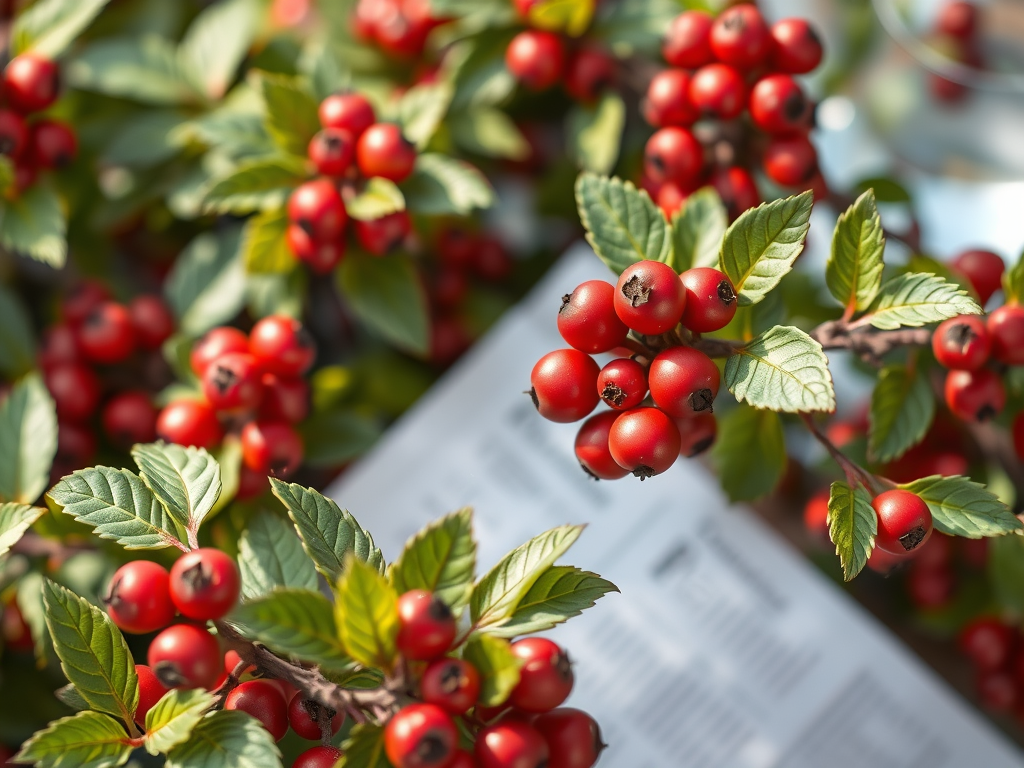
Berberine is a naturally occurring compound found in various plants, including barberry, goldenseal, and tree turmeric. Traditional medicine systems have long utilized berberine, and modern science is now exploring its potential benefits for a range of health conditions. This article breaks down the key areas where research suggests berberine may offer therapeutic advantages, drawing from primary research sources.
The Science-Backed Benefits of Berberine
1. Blood Sugar Management
One of the most well-researched areas of berberine’s benefits is its impact on blood sugar regulation, particularly in type 2 diabetes. Clinical trials demonstrate berberine’s potential as a management tool. A pilot study published in PMC directly compared berberine to metformin, a widely used diabetes drug. The findings revealed that berberine exhibited a similar blood sugar-lowering effect as metformin in patients newly diagnosed with type 2 diabetes. Furthermore, berberine significantly improved blood glucose control even in patients whose type 2 diabetes was poorly managed with other treatments [1]. This research suggests berberine is a potent oral agent for managing both blood sugar and lipid metabolism in type 2 diabetes.
2. Heart Health and Cholesterol
Berberine’s positive impact extends to cardiovascular health, specifically in improving lipid profiles. Meta-analyses, which combine data from multiple studies to provide a stronger conclusion, support this. A systematic review and meta-analysis published in PubMed, analyzing sixteen separate clinical trials, found that berberine significantly improved several key cholesterol markers. These improvements included reductions in total cholesterol, LDL-cholesterol (often called “bad” cholesterol), and triglycerides. Additionally, berberine was shown to increase HDL-cholesterol (“good” cholesterol) [2]. This comprehensive analysis indicates that berberine is both effective and safe for improving lipid profiles in individuals with dyslipidemia, a condition characterized by abnormal cholesterol levels.
3. Weight Management Support
The role of berberine in weight management is also gaining research attention. Systematic reviews and meta-analyses have explored its impact on obesity-related indices. A meta-analysis and systematic review in PubMed, examining ten clinical trials, focused on the effects of berberine supplementation. The results showed that berberine led to significant reductions in body mass index (BMI) and waist circumference. However, the analysis did not find a significant effect on overall body weight [3]. This suggests that berberine may be beneficial in improving body composition by reducing abdominal fat and overall BMI, key indicators of healthier weight management.
4. Anti-Inflammatory and Antioxidant Properties
Beyond metabolic health, research highlights berberine’s anti-inflammatory and antioxidant capabilities. A comprehensive review in PubMed summarized both experimental and clinical evidence for these properties. The review indicated that berberine and Berberis vulgaris (barberry, a common source of berberine) can effectively modulate inflammation, reduce oxidative stress, and balance immune responses [4]. Specifically, they can inhibit pro-inflammatory cytokines (molecules that promote inflammation), enhance anti-inflammatory cytokines, neutralize harmful free radicals (antioxidant effect), and boost antioxidant enzyme activity. These multifaceted effects suggest berberine’s potential therapeutic benefits for a wide range of diseases linked to chronic inflammation, oxidative stress, and immune system dysregulation.
Important Considerations and Cautions
While the primary research outlined above points to promising health benefits of berberine, it’s important to keep the following in mind:
- Ongoing Research: While these primary sources are encouraging, further research is always valuable to confirm and expand upon these findings. Long-term studies and research in diverse populations are particularly needed.
- Traditional Use Context: While traditional medicine provides a historical context for berberine use, rigorous modern scientific investigation is crucial for validating these traditional applications.
- Potential Side Effects: Digestive issues like constipation, diarrhea, or gas can occur in some individuals, although these are often mild and temporary. Berberine’s effects on blood sugar and blood pressure also warrant consideration, especially for those with pre-existing conditions.
- Interactions: It’s important to be aware of potential interactions between berberine and other medications.
Consult Your Healthcare Provider
This article is intended to provide an overview of berberine’s potential benefits based on scientific literature and should not be taken as medical advice. If you are considering berberine, consulting with a qualified healthcare professional is essential. They can help you determine if berberine is appropriate for your individual health needs, considering any existing conditions and medications you may be taking.
Sources:
[1] Yin, Jun, et al. “Efficacy of Berberine in Patients with Type 2 Diabetes Mellitus.” Metabolic Syndrome and Related Disorders, vol. 7, no. 2, 2009, pp. 95–98, https://pmc.ncbi.nlm.nih.gov/articles/PMC2410097/.
[2] Jianqing J, et al. “Efficacy and safety of berberine for dyslipidaemias: A systematic review and meta-analysis of randomized clinical trials.” Journal of clinical lipidology, vol. 13, no. 1, 2019, pp. 39–49. https://pubmed.ncbi.nlm.nih.gov/30466986/
[3] Guo, Xiaoke, et al. “The effect of berberine supplementation on obesity indices: A dose-response meta-analysis and systematic review of randomized controlled trials.” Medicine, vol. 99, no. 19, 2020, p. e20286. https://pubmed.ncbi.nlm.nih.gov/32379652/
[4] Imenshahidi, Mohsen, and Hossein Hosseinzadeh. “Anti-inflammatory, antioxidant, and immunomodulatory effects of Berberis vulgaris and its constituent berberine, experimental and clinical, a review.” Journal of ethnopharmacology, vol. 322, 2024, p. 117598. https://pubmed.ncbi.nlm.nih.gov/38358731/
 Zehn Skin and Health
Leave a comment