
Acne is often associated with adolescence, but it can persist into adulthood or even appear for the first time later in life, particularly for women. Adult female acne (AFA) can be a frustrating and persistent condition, impacting self-esteem and quality of life. Affecting between 12 and 54% of adult women, it can cause significant emotional distress and social challenges 1. While the exact causes of AFA are not fully understood 2, studies indicate that hormonal fluctuations, genetics, stress, and lifestyle factors all play a role. This comprehensive guide delves into the landscape of adult female acne, exploring evidence-based lifestyle changes, dietary modifications, and alternative medicine/supplement options that can help manage and improve this condition.
Understanding Adult Female Acne
Adult female acne is a common skin condition affecting women over 25. It can be a continuation of acne from adolescence, appearing after the age of 25, or it can develop for the first time in adulthood 2. Experts categorize AFA into three main subtypes: persistent acne (the most common), late-onset acne (starting after age 25), and recurrent acne (present in adolescence, improving, then returning in adulthood) 3. AFA often presents as inflammatory lesions, including papules and pustules, along with comedones. It can range in severity from mild to moderate, and in some cases, can lead to scarring in 20% of affected women 3. It typically affects the lower part of the face, including the jawline, perioral region, and chin, sometimes extending to the neck and even the back 3.
Women with persistent or menopausal acne often experience increased skin sensitivity, with a higher likelihood of post-inflammatory erythema (redness), hyperpigmentation or hypopigmentation, and scarring 2. These cosmetic concerns can further impact self-confidence and emotional well-being. Studies have shown that the impact of acne on quality of life is greater in adults than in adolescents, and more pronounced in women than in men 2. Many women use makeup to conceal their acne, which can sometimes exacerbate the condition 4.
Causes of Adult Female Acne
Several factors contribute to the development of AFA:
- Fluctuating Hormone Levels: Women experience hormonal shifts throughout their lives, particularly during menstruation, pregnancy, and menopause 5. These fluctuations can trigger increased sebum (skin oil) production, leading to clogged pores and acne breakouts 6. Jawline acne in women can often be a sign of a hormonal imbalance 7, highlighting the importance of consulting a healthcare professional for proper diagnosis and treatment.
- Changes in Sebum Composition: In addition to increased sebum production, women with AFA experience qualitative changes in the composition of their sebum. There is a relative decrease in linoleic acid, an essential fatty acid that helps protect the skin’s barrier 3. This can contribute to inflammation and increased sensitivity.
- Underlying Medical Conditions: In some cases, acne may be a symptom of an underlying medical condition, such as polycystic ovary syndrome (PCOS) 5. Dermatologists may conduct blood tests or recommend consultations with other specialists to identify and address any underlying hormonal imbalances or conditions that could be contributing to acne.
External and lifestyle factors:
- Genetics: Family history plays a significant role in acne development. If close relatives have experienced acne, you may be more genetically predisposed to it 5.
- Medications: Some medications, including corticosteroids and anabolic steroids, can trigger acne as a side effect.
- Skin and Hair Care Products: Certain products can clog pores and trigger acne. Look for oil-free, non-comedogenic, or non-acnegenic products that won’t irritate your skin 5.
Lifestyle Changes for Improved Skin
Making certain lifestyle changes can significantly impact acne. Here’s a breakdown of evidence-based recommendations:
Skincare Routine
- Cleansing: Gently wash your face twice a day with a mild, non-abrasive cleanser 8. Avoid harsh scrubbing or over-washing, which can irritate the skin, disrupt the skin’s barrier, and worsen acne 7.
- Choosing the Right Products: Opt for oil-free, non-comedogenic skincare products and cosmetics 8. Look for products labeled “non-comedogenic” or “non-acnegenic” to ensure they won’t clog pores.
- Moisturizing: Even oily, acne-prone skin needs moisture. Use a lightweight, oil-free moisturizer to keep your skin hydrated and prevent excessive oil production 10.
- Exfoliating: Gentle exfoliation can help remove dead skin cells and prevent clogged pores. One option is to use a chemical exfoliant with salicylic acid or glycolic acid once or twice a week 10.
Stress Management
- Prioritize Sleep: Aim for 7-9 hours of quality sleep per night to allow your skin to repair and rejuvenate 10. Studies have shown a clear connection between stress, elevated cortisol levels, and increased sebum production, which can worsen acne 11. Getting enough sleep is crucial for managing stress and promoting healthy skin.
- Practice Relaxation Techniques: Incorporate stress-reducing activities into your routine, such as yoga, meditation, or spending time in nature 10.
Hygiene and Habits
- Wash Workout Gear: Sweat and bacteria can build up on workout clothes, contributing to body acne. Wash your gear regularly, ideally after each workout 11.
- Clean Your Phone: Our phones harbor bacteria that can transfer to our faces and contribute to breakouts. Clean your phone screen regularly with an antibacterial wipe 11.
- Keep Your Hands Off: Avoid touching or picking at your face, as this can introduce bacteria and irritate the skin, potentially worsening acne 8.
Sun Protection
- Wear Sunscreen Daily: Sun exposure can worsen acne and post-inflammatory hyperpigmentation (dark spots). Use a broad-spectrum sunscreen with an SPF of 30 or higher every day, even on cloudy days 11.
Dietary Modifications for Clearer Skin
While the link between diet and acne is still being explored, research suggests that certain dietary changes may improve skin health:
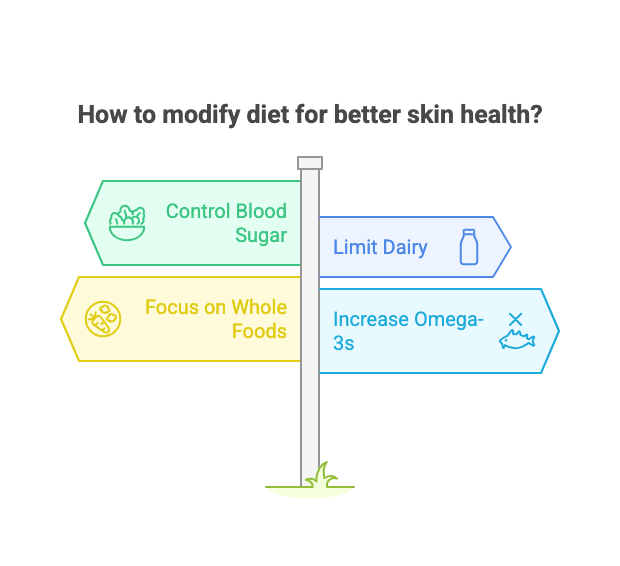
- Control Blood Sugar: High-glycemic foods, such as white bread, sugary drinks, and processed snacks, can cause blood sugar spikes, which may worsen acne 12. Opt for low-glycemic options like whole grains, fruits, and vegetables 13.
- Limit Dairy: Some studies suggest that dairy, particularly skim milk, may worsen acne in some individuals 14. Consider reducing your dairy intake or switching to plant-based alternatives like almond milk or soy milk 12.
- Focus on Whole Foods: A diet rich in fruits, vegetables, lean protein, and healthy fats can provide the nutrients your skin needs to stay healthy 12. Incorporate a variety of colorful fruits and vegetables, lean protein sources like fish and poultry, and healthy fats from avocados, nuts, and seeds.
- Increase Omega-3 Fatty Acids: Omega-3s have anti-inflammatory properties that may benefit acne. Include foods like salmon, flaxseeds, and walnuts in your diet 15.
- Limit Processed Foods: Highly processed foods, such as fast food, frozen meals, and sugary cereals, are often low in nutrients and high in unhealthy fats and additives, which may negatively impact skin health 12.
- Incorporate Anti-Inflammatory Herbs and Spices: Add anti-inflammatory herbs and spices to your meals, such as turmeric, cinnamon, ginger, and garlic 12.
- Consider a Food Diary: Keep track of your diet and acne breakouts to identify potential food triggers 15. This can help you personalize your diet and avoid foods that seem to worsen your acne.
Alternative Medicine and Supplements
Several alternative therapies and supplements have shown promise in improving acne:
- Topical Treatments:
- Retinoids: Topical retinoids, such as tretinoin and adapalene, are derived from vitamin A and work by unclogging pores and reducing inflammation. They are often a first-line treatment for acne 16.
- Antibiotics: Topical antibiotics can help kill acne-causing bacteria. They are often used in combination with retinoids or benzoyl peroxide 16.
- Azelaic Acid: Azelaic acid is a natural acid with antibacterial and anti-inflammatory properties. It can be helpful for inflammatory acne and may also reduce post-inflammatory hyperpigmentation 16.
- Salicylic Acid: Salicylic acid helps to unclog pores and exfoliate the skin. It is often found in over-the-counter acne washes and creams 16.
Alternative Therapies:
- Light Therapy: Different types of light therapy, such as blue light and red light, can target acne-causing bacteria and reduce inflammation 16.
- Chemical Peels: Chemical peels with salicylic acid or glycolic acid can exfoliate the skin and improve acne 16.
- Tea Tree Oil: Tea tree oil has antibacterial properties and may be as effective as benzoyl peroxide in treating mild to moderate acne 17. Dilute tea tree oil before applying it to the skin, as it can be irritating.
- Hormonal Therapies: For women with hormonally influenced acne, hormonal therapies, such as the combined oral contraceptive pill, can be effective in regulating hormones and reducing breakouts 19. It’s important to note that it may take several months to see the full benefits of hormonal therapies.
Supplements:
- Zinc: Zinc is an essential mineral that plays a role in skin health and immune function. Studies suggest that zinc supplements may reduce inflammatory acne lesions 20.
- Omega-3 Fatty Acids: Omega-3 supplements, like fish oil, can help reduce inflammation and improve acne symptoms 20.
- Vitamin D: Vitamin D has anti-inflammatory properties and may improve acne severity 21.
- Probiotics: Probiotics can support gut health, which may indirectly benefit skin health and reduce acne by modulating the gut-skin axis 20. We will devote an entire page to this.
- Nicotinamide (Vitamin B3): Nicotinamide has anti-inflammatory effects and may reduce sebum production 20.
- Green Tea Extract: Green tea extract contains antioxidants that may help reduce inflammation and sebum production 20.

| Supplement | Benefits for Acne | Dosage/Source |
|---|---|---|
| Zinc | Reduces inflammation, inhibits bacterial growth | 30-40 mg per day |
| Omega-3 Fatty Acids | Reduces inflammation | 1-2 grams per day (fish oil) |
| Vitamin D | Reduces inflammation, modulates immune system | 1,000-2,000 IU per day |
| Probiotics | Supports gut health, may reduce inflammation | Probiotic supplements with Lactobacillus and Bifidobacterium strains |
| Nicotinamide (Vitamin B3) | Reduces inflammation, may reduce sebum production | 500 mg twice per day |
| Green Tea Extract | Reduces inflammation, antioxidant properties | 300-400 mg per day |
*Discuss a safe and appropriate dosage/source with your physician
Debunking Acne Myths
There are many misconceptions about what causes acne. Let’s clarify some common myths:
- Myth: Stress causes acne.
- Fact: While stress doesn’t directly cause acne, it can worsen existing breakouts by increasing androgen production, which stimulates oil glands 22.
- Myth: You only need to treat acne with a good face cream or cleanser from a cosmetics counter.
- Fact: While some over-the-counter products can be helpful, they may not be enough to address the underlying causes of acne. A dermatologist can recommend the most effective treatments based on your individual needs 23.
- Myth: Sunscreen will make your acne worse.
- Fact: Sunscreen is essential for protecting your skin from sun damage, which can worsen acne and post-inflammatory hyperpigmentation. Choose an oil-free, non-comedogenic sunscreen that won’t clog pores 11.
- Myth: You should not wear makeup if you have acne.
- Fact: You can wear makeup if you have acne, but choose oil-free, non-comedogenic products and remove your makeup thoroughly at the end of the day 9.
- Myth: You just have to wait and let acne go away with time.
- Fact: While some mild acne may clear up on its own, persistent or moderate to severe acne often requires treatment to prevent scarring and improve skin health 23.
Conclusion
Adult acne is a complex condition influenced by various factors, including hormonal fluctuations, genetics, and lifestyle choices. While it can be challenging to manage, a holistic approach that combines lifestyle changes, dietary modifications, and evidence-based alternative therapies can significantly improve skin health and reduce acne breakouts.
To take control of your skin, start by implementing some of the lifestyle and dietary recommendations outlined in this guide. Consider incorporating supplements that have shown promise in improving acne, such as zinc, omega-3 fatty acids, and vitamin D. Most importantly, be patient and persistent with your chosen treatments, as it can take time to see significant results.
Remember that everyone’s skin is different, and what works for one person may not work for another. For personalized advice and treatment options, consult with a dermatologist or healthcare professional who can assess your individual needs and recommend the most effective strategies for achieving clearer, healthier skin.
Works cited
1. Adult female acne: Clinical and therapeutic particularities (Review …, accessed January 24, 2025, https://pmc.ncbi.nlm.nih.gov/articles/PMC8753972/
2. Unveiling the nuances of adult female acne | IJWH, accessed January 24, 2025, https://www.dovepress.com/unveiling-the-nuances-of-adult-female-acne-a-comprehensive-exploration-peer-reviewed-fulltext-article-IJWH
3. Adult female acne: a guide to clinical practice – PMC, accessed January 24, 2025, https://pmc.ncbi.nlm.nih.gov/articles/PMC6360964/
4. Understanding the Burden of Adult Female Acne – PMC – PubMed Central, accessed January 24, 2025, https://pmc.ncbi.nlm.nih.gov/articles/PMC3935648/
5. 6 Surprising Causes of Adult Acne – Intermountain Health, accessed January 24, 2025, https://intermountainhealthcare.org/blogs/6-surprising-causes-of-adult-acne
6. Adult Acne in Women: What’s Triggering Your Breakouts? | Houston Methodist On Health, accessed January 24, 2025, https://www.houstonmethodist.org/blog/articles/2020/nov/adult-acne-in-women-what-is-triggering-your-breakouts/
7. Adult Acne at Age 30 – Tufts Medicine, accessed January 24, 2025, https://www.tuftsmedicine.org/about-us/news/adult-acne-age-30
8. Acne: Tips for managing – American Academy of Dermatology, accessed January 24, 2025, https://www.aad.org/public/diseases/acne/skin-care/tips
9. Acne – Symptoms and causes – Mayo Clinic, accessed January 24, 2025, https://www.mayoclinic.org/diseases-conditions/acne/symptoms-causes/syc-20368047
10. How Diet and Lifestyle Affect Acne: Best Practices for a Clearer Skin | Rasaderm, accessed January 24, 2025, https://rasaderm.com/how-diet-and-lifestyle-affect-acne-best-practices-for-a-clearer-skin/
11. Acne Prevention: Stress, Diet, Exercise, Sleep, and More – WebMD, accessed January 24, 2025, https://www.webmd.com/skin-problems-and-treatments/acne/features/acne-lifestyle-changes
12. Hormonal Acne Diet: What to Eat to Improve Your Acne – Healthline, accessed January 24, 2025, https://www.healthline.com/nutrition/hormonal-acne-diet
13. Can the right diet get rid of acne? – American Academy of Dermatology, accessed January 24, 2025, https://www.aad.org/public/diseases/acne-and-rosacea/can-the-right-diet-get-rid-of-acne
14. Anti-Acne Diet: Can Food Help or Worsen Acne? – Healthline, accessed January 24, 2025, https://www.healthline.com/health/anti-acne-diet
15. Anti-acne diet: What to eat for clearer skin and fewer pimples – MedicalNewsToday, accessed January 24, 2025, https://www.medicalnewstoday.com/articles/322639
16. Acne – Diagnosis and treatment – Mayo Clinic, accessed January 24, 2025, https://www.mayoclinic.org/diseases-conditions/acne/diagnosis-treatment/drc-20368048
17. How to Get Rid of Acne: 14 Home Remedies for Pimples – Healthline, accessed January 24, 2025, https://www.healthline.com/nutrition/13-acne-remedies
18. Alternative Therapies for the Treatment of Acne – Practical Dermatology, accessed January 24, 2025, https://practicaldermatology.com/topics/acne-rosacea/alternative-therapies-for-the-treatment-of-acne/23787/
19. Acne – Treatment – NHS, accessed January 24, 2025, https://www.nhs.uk/conditions/acne/treatment/
20. The Role of Supplements in Acne Management: Evidence-Based Insights – Self London, accessed January 24, 2025, https://selflondon.com/the-role-of-supplements-in-acne-management-evidence-based-insights/
21. Supplements For Acne: Vitamins & Minerals For Your Skin | Software, accessed January 24, 2025, https://www.skin.software/journal/supplements-for-acne
22. Adult acne – American Academy of Dermatology, accessed January 24, 2025, https://www.aad.org/public/diseases/acne/really-acne/adult-acne23. Adult acne treatment dermatologists recommend – American Academy of Dermatology, accessed January 24, 2025, https://www.aad.org/public/diseases/acne/diy/adult-acne-treatment
 Zehn Skin and Health
Leave a comment