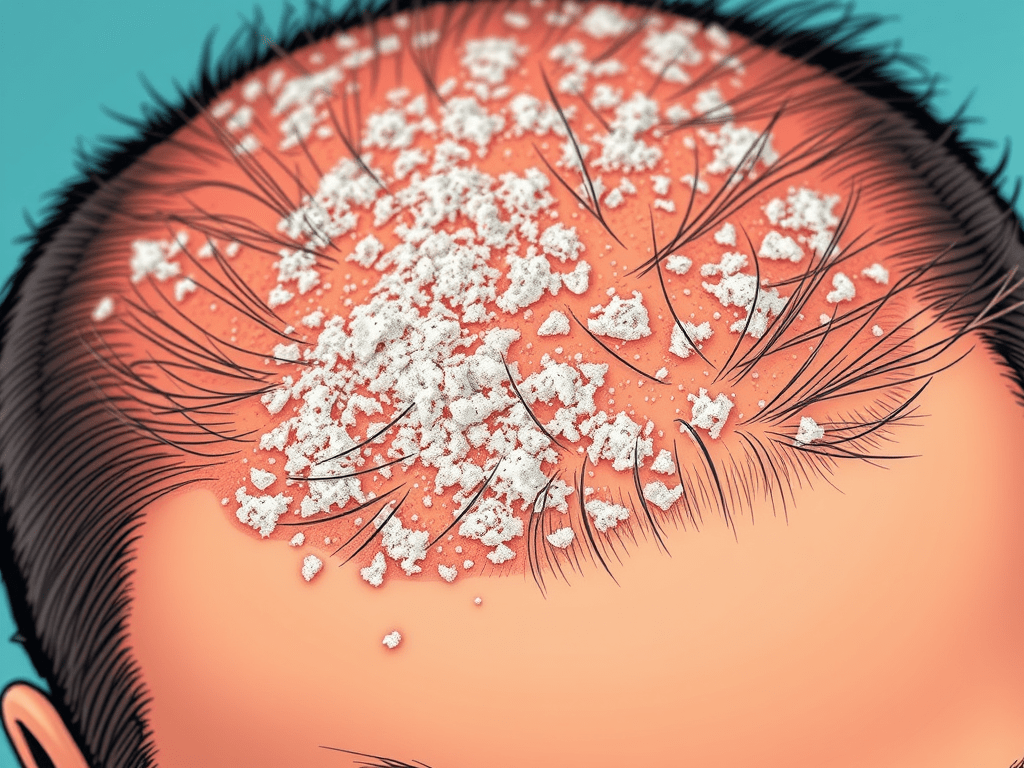
Seborrheic dermatitis (SD), also known as dandruff, seborrheic eczema, and seborrheic psoriasis (sebo-psoriasis) 1, is a common inflammatory skin condition affecting millions worldwide. It is characterized by red, scaly patches, and flaking skin, primarily in areas with a high concentration of sebaceous glands, such as the scalp, face, and chest 2. While not contagious or life-threatening, SD can be persistent and bothersome, significantly impacting quality of life, potentially leading to social or self-esteem problems 3. This comprehensive report, based on information from reputable medical sources, including the National Institute of Health and Mayo Clinic 1, delves into the potential causes, triggers, and the relationship between seborrheic dermatitis, nutrition, environment, and other medical conditions.
Potential Causes of Seborrheic Dermatitis
Although the exact cause of seborrheic dermatitis is not fully understood, studies indicate that several factors may contribute to its development 4. These include:
- Malassezia yeast: This yeast is naturally present on everyone’s skin, but in individuals with SD, it may overgrow and trigger an inflammatory response, leading to the characteristic skin changes 5.
- Excess skin oil (sebum): Increased sebum production can create an environment conducive to the growth of Malassezia yeast and contribute to the development of SD 6.
- Immune system dysfunction: A weakened or dysregulated immune system may play a role in the inflammatory response associated with SD 4.
- Genetic predisposition: Some individuals may have a genetic predisposition to developing SD, as it tends to run in families 7. People with a personal or family history of atopic dermatitis, allergies, hay fever, or asthma may be more likely to develop skin conditions like SD, highlighting the potential role of genetic and allergic factors 8.
- Underlying medical conditions: Some underlying conditions can raise the risk for seborrheic dermatitis, such as HIV, psoriasis, acne, rosacea, epilepsy, Parkinson’s disease, eating disorders, and alcoholism 9.
Furthermore, SD occurs in two variants: infantile SD (ISD) and adult SD (ASD) 10. ISD typically affects infants during the first three months of life, often appearing as greasy scales on the scalp. It is generally mild and self-limiting, resolving spontaneously by the first year of life. ASD, on the other hand, affects adolescents and adults and tends to be a chronic condition with varying severity over time.
Triggers of Seborrheic Dermatitis
While the underlying causes of SD may be complex, certain triggers can exacerbate or worsen the condition. These triggers can vary from person to person, but some common ones include:
- Stress: Emotional stress is a well-known trigger for SD flare-ups 11.
- Hormonal changes: Fluctuations in hormone levels, such as those that occur during puberty or pregnancy, can trigger or worsen SD 11.
- Weather conditions: Cold, dry weather can dry out the skin and exacerbate SD symptoms, while hot and humid weather can promote yeast growth 11.
- Harsh chemicals: Exposure to harsh detergents, soaps, and solvents can irritate the skin and trigger SD flare-ups 11.
- Fatigue: Fatigue can affect immune function and potentially trigger SD 14.
- Sleep deprivation: Similar to fatigue, sleep deprivation can also impact immune function and skin health, potentially triggering SD 13.
- Seasonal factors: Changes in season, particularly the transition to cold, dry weather, can trigger SD flare-ups 15.
Clinical Features of Seborrheic Dermatitis
Seborrheic dermatitis commonly affects areas of the skin with high sebum production, such as the scalp, nasolabial folds, eyebrows, ears, and chest 16. Typical features include:
- Winter flares, with improvement in summer following sun exposure.
- Minimal to moderate itch most of the time.
- Combination oily and dry mid-facial skin.
- Ill-defined localized scaly patches or diffuse scale in the scalp.
Relationship with Nutrition
The relationship between nutrition and seborrheic dermatitis is an area of ongoing research. Findings show a potential link between dietary habits and SD 17. For example, a high intake of fruits was associated with a lower risk of SD, while adherence to a Western diet (high in fats and processed foods) was linked to an increased risk, particularly in women 17. Evidence also suggests that obesity may be associated with increased severity of SD, possibly due to hormonal influences and increased sebaceous gland activity 17.
Some studies indicate a correlation between SD and deficiencies in certain nutrients, such as zinc, vitamin D, and vitamin E 17. Additionally, high-glycemic-index carbohydrates can stimulate sebum secretion and potentially worsen seborrheic dermatitis 19.
It’s important to note that major medical organizations, such as the National Eczema Association and the American Academy of Dermatology, do not currently consider dietary factors as a primary cause of SD 18. However, maintaining a healthy and balanced diet is generally recommended for overall health and well-being 22.
Relationship with the Environment
Environmental factors can play a significant role in triggering or exacerbating seborrheic dermatitis. These factors include:
- Climate: Low humidity and temperature, common in winter, can dry out the skin and increase the frequency of SD 3. However, some studies suggest that hot environments may also worsen SD 3.
- Pollution: Exposure to air pollution can alter sebum production and create an environment that promotes the growth of Malassezia yeast 23.
- Sun exposure: While excessive sun exposure can be harmful, moderate sun exposure may have beneficial effects on SD, possibly due to its anti-inflammatory properties 23.
- Ultraviolet index: Low ultraviolet index can increase the likelihood of SD development 24.
Relationship with Other Medical Conditions
Seborrheic dermatitis is often associated with certain medical conditions, including:
- Neurological disorders: Parkinson’s disease, epilepsy, and other neurological conditions are linked to an increased risk of SD 1.
- Immunodeficiency: People with weakened immune systems, such as those with HIV/AIDS, are more susceptible to SD 25.
- Psychiatric disorders: Depression and other mood disorders have been associated with SD 25.
- Skin disorders: SD may coexist with other skin conditions, such as psoriasis, acne, and rosacea 11. Scalp psoriasis and seborrheic dermatitis of the scalp share some similar treatments, including medicated shampoos and corticosteroid lotions 26.
It is important to differentiate SD from other skin conditions with similar presentations, such as lupus erythematosus, rosacea, acne vulgaris, and eczema 10. These conditions may have overlapping features but require different treatment approaches.
Conclusion
Seborrheic dermatitis is a complex skin condition with a multifactorial etiology. While the exact causes are not fully understood, research suggests that the interplay of Malassezia yeast, excess sebum, immune system dysfunction, genetic factors, and environmental triggers contributes to its development. It’s important to remember that SD is not caused by poor personal hygiene 27.
Maintaining a healthy lifestyle, managing stress, and avoiding known triggers can help control the condition. Further research is needed to fully elucidate the causes of SD and develop more effective treatments, as it is currently understudied compared to other skin conditions 2.
In summary, seborrheic dermatitis is a common skin condition influenced by a combination of factors, including the overgrowth of Malassezia yeast, excess sebum production, immune system responses, and various triggers such as stress, hormonal changes, and environmental factors. While not curable, SD can be effectively managed with appropriate treatment and lifestyle adjustments. Recognizing and avoiding triggers, along with maintaining good skin hygiene and overall health, can help minimize the frequency and severity of flare-ups.
This report provides a comprehensive overview of seborrheic dermatitis, drawing on the latest research and expert opinions. However, it is essential to consult with a healthcare professional for personalized advice and treatment options.
Works cited
1. Seborrheic dermatitis – Symptoms and causes – Mayo Clinic, accessed January 21, 2025, https://www.mayoclinic.org/diseases-conditions/seborrheic-dermatitis/symptoms-causes/syc-20352710
2. Seborrheic Dermatitis — What the Latest Research is Saying, From How it Develops to Current Treatments and More, accessed January 21, 2025, https://nationaleczema.org/blog/seborrheic-dermatitis-what-the-latest-research-is-saying-from-how-it-develops-to-current-treatments-and-more/
3. Seborrhoeic dermatitis – Wikipedia, accessed January 21, 2025, https://en.wikipedia.org/wiki/Seborrhoeic_dermatitis
4. http://www.mayoclinic.org, accessed January 21, 2025, https://www.mayoclinic.org/diseases-conditions/seborrheic-dermatitis/symptoms-causes/syc-20352710#:~:text=The%20exact%20cause%20of%20seborrheic,problem%20in%20the%20immune%20system.
5. Seborrheic Dermatitis: Causes, Symptoms, Risk Factors, Diagnosis, and Treatments, accessed January 21, 2025, https://www.webmd.com/skin-problems-and-treatments/seborrheic-dermatitis-medref
6. Overview: Seborrheic dermatitis – InformedHealth.org – NCBI Bookshelf, accessed January 21, 2025, https://www.ncbi.nlm.nih.gov/books/NBK532846/
7. Seborrheic Dermatitis: What Is It, Diagnosis & Treatment – Cleveland Clinic, accessed January 21, 2025, https://my.clevelandclinic.org/health/diseases/14403-seborrheic-dermatitis
8. Dermatitis – Symptoms and causes – Mayo Clinic, accessed January 21, 2025, https://www.mayoclinic.org/diseases-conditions/dermatitis-eczema/symptoms-causes/syc-20352380
9. Seborrheic Dermatitis – Treatment, Causes, Symptoms | Mount Sinai – New York, accessed January 21, 2025, https://www.mountsinai.org/care/dermatology/services/eczema/seborrheic-dermatitis
10. Seborrheic Dermatitis – StatPearls – NCBI Bookshelf, accessed January 21, 2025, https://www.ncbi.nlm.nih.gov/books/NBK551707/
11. Seborrheic dermatitis: Causes, symptoms and treatment – National Eczema Association, accessed January 21, 2025, https://nationaleczema.org/eczema/types-of-eczema/seborrheic-dermatitis/
12. Seborrheic dermatitis: Self-care – American Academy of Dermatology, accessed January 21, 2025, https://www.aad.org/public/diseases/a-z/seborrheic-dermatitis-self-care
13. Causes and Risk Factors of Seborrheic Dermatitis – Verywell Health, accessed January 21, 2025, https://www.verywellhealth.com/seborrheic-dermatitis-causes-4769875
14. Seborrheic dermatitis – UF Health, accessed January 21, 2025, https://ufhealth.org/conditions-and-treatments/seborrheic-dermatitis
15. Clinical Characteristics and Quality of Life of Seborrheic Dermatitis Patients in a Tropical Country – PMC, accessed January 21, 2025, https://pmc.ncbi.nlm.nih.gov/articles/PMC4601435/
16. Seborrheic dermatitis: Causes and treatment – DermNet, accessed January 21, 2025, https://dermnetnz.org/topics/seborrhoeic-dermatitis
17. Nutrition, Obesity, and Seborrheic Dermatitis: Systematic Review, accessed January 21, 2025, https://digitalcommons.kansascity.edu/cgi/viewcontent.cgi?article=1839&context=studentpub
18. Seborrheic Dermatitis Diet: What Food Do You Need to Avoid – Valley Skin Institute, accessed January 21, 2025, https://www.valleyskininstitute.com/seborrheic-dermatitis-diet/
19. Role of nutrition against seborrheic dermatitis induced by high BMI and anxiety, accessed January 21, 2025, https://www.nutritioninsight.com/news/role-of-nutrition-against-seborrheic-dermatitis-induced-by-high-bmi-and-anxiety.html
20. Seborrheic Dermatitis: Diet And Natural Remedies – Truemeds, accessed January 21, 2025, https://www.truemeds.in/blog/seborrheic-dermatitis-diet-and-natural-remedies
21. Seborrheic dermatitis and nutrition: foods in and out – Laevia, accessed January 21, 2025, https://laevia.it/en/blogs/we-care/seborrheic-dermatitis-the-treatment-starts-from-the-table
22. Seborrheic Dermatitis – Whole Health Library – VA.gov, accessed January 21, 2025, https://www.va.gov/WHOLEHEALTHLIBRARY/tools/seborrheic-dermatitis.asp
23. Seborrheic dermatitis: environmental factors, pollution, sun, etc. – Ducray, accessed January 21, 2025, https://www.ducray.com/en/seborrheic-dermatitis/daily-life/environmental-factors
24. Is the Frequency of Seborrheic Dermatitis Related to Climate Parameters? – PMC, accessed January 21, 2025, https://pmc.ncbi.nlm.nih.gov/articles/PMC9040311/
25. Seborrheic dermatitis: Causes – American Academy of Dermatology, accessed January 21, 2025, https://www.aad.org/public/diseases/a-z/seborrheic-dermatitis-causes
26. Scalp psoriasis vs. seborrheic dermatitis: What’s the difference? – Mayo Clinic, accessed January 21, 2025, https://www.mayoclinic.org/diseases-conditions/psoriasis/expert-answers/scalp-psoriasis/faq-20058544
27. Seborrheic dermatitis causes, symptoms & treatment – TeleMed2U, accessed January 21, 2025, https://www.telemed2u.com/dermatology/seborrheic-dermatitis28. Seborrheic Dermatitis: An Overview – AAFP, accessed January 21, 2025, https://www.aafp.org/pubs/afp/issues/2006/0701/p125.html
 Zehn Skin and Health
Leave a comment