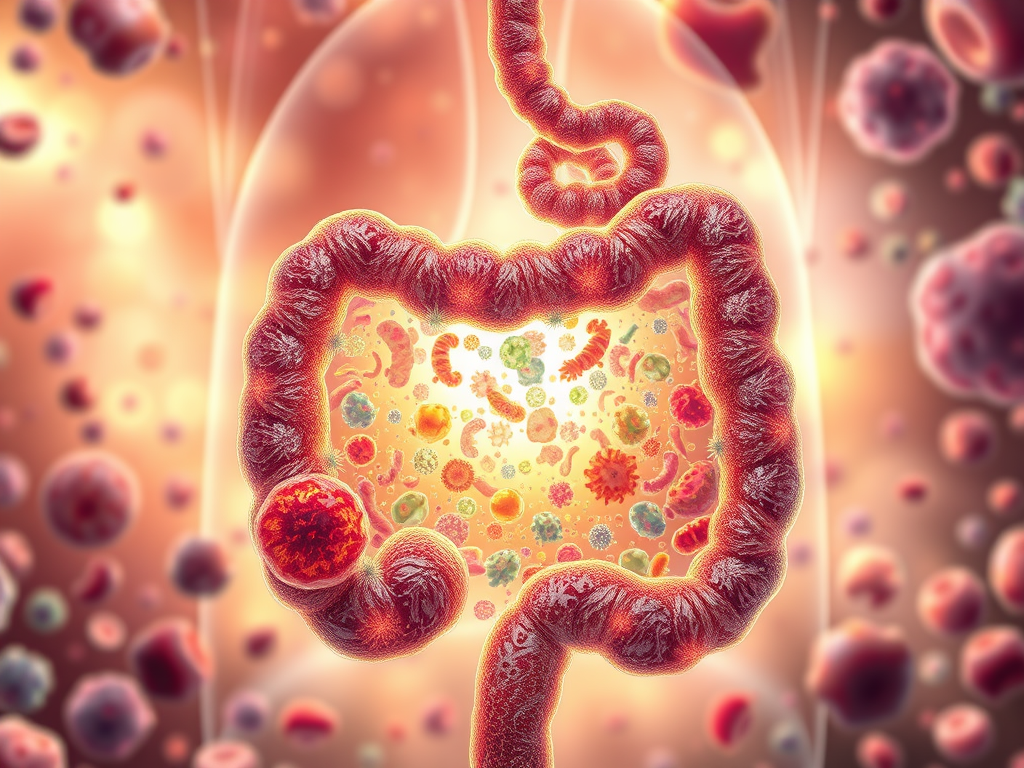
Scientists are finding that the community of bacteria living in our gut (the microbiome) plays a big role in how well cancer treatments work, especially a type of treatment called immunotherapy. Immunotherapy helps our own immune system fight cancer.
A new study looked at whether giving people a transplant of gut bacteria from a healthy person (called FMT) could make immunotherapy more effective against two types of cancer: lung cancer and melanoma (a type of skin cancer).
Here’s what they found:
- FMT seemed to boost immunotherapy: In both lung cancer and melanoma patients, adding FMT to immunotherapy led to a good response, meaning the cancers shrank or disappeared in many patients.
- FMT was generally safe: In lung cancer patients, FMT caused very few side effects. However, in melanoma patients, some experienced more serious side effects, particularly when receiving a specific combination of immunotherapy drugs.
- The gut microbiome matters: Researchers found that the types of bacteria in a patient’s gut after FMT influenced how well they responded to treatment. Interestingly, the donor of the gut bacteria also seemed to play a role in side effects.
What does this mean?
This study suggests that FMT could be a valuable tool to improve cancer treatment. However, more research is needed to understand:
- Why did melanoma patients have more side effects? It could be due to the specific immunotherapy drugs they received or differences in their gut microbiome.
- How can we choose the best bacteria donors? Matching donors and recipients more carefully might reduce side effects.
This is an exciting area of research, and future studies will hopefully help us use FMT safely and effectively to help more people with cancer.
Citation:
https://www.annalsofoncology.org/article/S0923-7534(24)02645-0/fulltext
 Zehn Skin and Health
Leave a comment