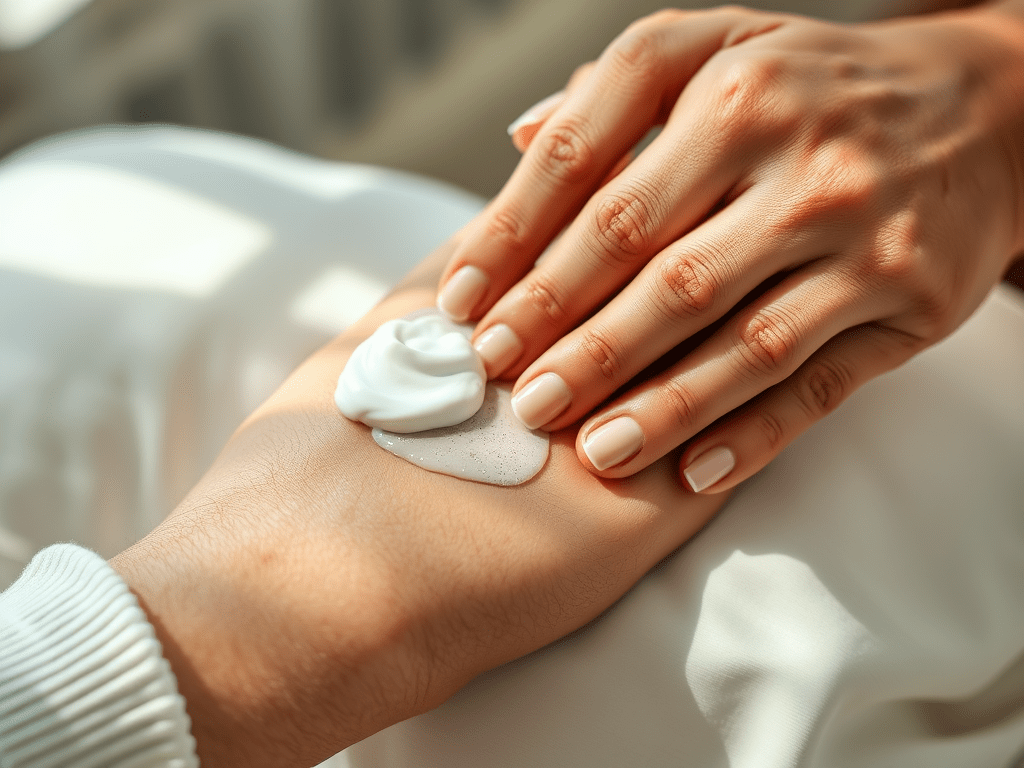
Vitiligo is an acquired pigmentary disorder characterized by the progressive loss of melanocytes, the cells responsible for producing melanin. Melanin is the pigment that gives skin its color. This disorder leads to the development of white patches on the skin, which can vary in size and location. While vitiligo is not life-threatening, it can have a significant impact on a person’s quality of life, leading to emotional distress and social stigma1.
Some insurance companies may misclassify vitiligo as a cosmetic issue and deny coverage for treatments2. However, advocacy efforts have led to increased coverage for vitiligo treatments in recent years3.
This article provides a comprehensive overview of the medical and surgical treatments available for vitiligo, including their effectiveness, side effects, risks, and cost. It also explores the different types of vitiligo, combination therapies, and the availability of treatments in different parts of the world.
Types of Vitiligo
Vitiligo can be classified into different types based on the distribution of white patches on the body:
- Generalized Vitiligo: This is the most common type of vitiligo, characterized by white patches that appear on both sides of the body in a symmetrical pattern4.
- Segmental Vitiligo: This type of vitiligo is characterized by white patches that are limited to one side of the body or a specific segment. It often appears at a younger age and may have a better response to surgical treatments4.
- Focal Vitiligo: This type of vitiligo is characterized by a small number of white patches that are limited to a specific area of the body5.
- Universal Vitiligo: This is a rare type of vitiligo, characterized by depigmentation of almost the entire body6.
The type of vitiligo can influence treatment decisions. For example, segmental vitiligo may be more responsive to surgical treatments like skin grafting, while generalized vitiligo may require a combination of medical therapies4.
Medical Treatments for Vitiligo
Medical treatments for vitiligo aim to restore skin color (repigmentation) or eliminate the remaining color (depigmentation) to create a uniform skin tone7. Treatment works slowly, and when it does work, natural skin color returns gradually8. Vitiligo can be stubborn, and dermatologists often start with the gentlest treatment suitable for the patient. To get the desired results, they may add another treatment or change the treatment plan8. It is important to note that treatment cannot cure vitiligo. While researchers are looking for a cure, current treatments can only help restore lost skin color, which may fade over time8. To keep their results, many patients require maintenance treatments8.
These treatments include:
Topical Corticosteroids
Topical corticosteroids are anti-inflammatory medications that can help slow the progression of vitiligo and, in some cases, restore skin pigmentation9. They are often the first-line treatment for vitiligo, particularly for localized or limited disease10.
Effectiveness: Studies have shown that topical corticosteroids can be moderately effective in treating vitiligo, with some patients experiencing significant repigmentation10. However, the response to treatment varies greatly among individuals, and some patients may not see any improvement10.
Side Effects: The most common side effects of topical corticosteroids include skin thinning (atrophy), stretch marks (striae), and telangiectasias (visible blood vessels)11. Other potential side effects include acne, hair growth, and skin irritation10.
Risks: Long-term use of topical corticosteroids can increase the risk of skin atrophy, stretch marks, and skin infections13. Therefore, these medications should be used under the supervision of a healthcare provider and for a limited time8.
Topical Calcineurin Inhibitors
Topical calcineurin inhibitors, such as tacrolimus and pimecrolimus, are immunomodulators that suppress the immune system’s attack on melanocytes9. They are often used when topical corticosteroids are ineffective or when vitiligo affects sensitive areas of the skin, such as the face, neck, and genitals14.
Effectiveness: Topical calcineurin inhibitors have been shown to be effective in repigmenting vitiligo, particularly in lesions on the face and neck15. They may also be used in combination with phototherapy to enhance treatment outcomes16.
Side Effects: The most common side effect of topical calcineurin inhibitors is a burning or itching sensation at the application site17. This side effect is usually temporary and subsides with continued use18.
Risks: Topical calcineurin inhibitors can increase the skin’s sensitivity to sunlight19. Therefore, it is important to protect the treated skin from sun exposure by using sunscreen and wearing protective clothing19.
Topical Janus Kinase (JAK) Inhibitors
Topical Janus kinase (JAK) inhibitors are a newer class of medications that work by blocking the activity of Janus kinases, enzymes that play a role in inflammation and immune responses20. Ruxolitinib cream is the only FDA-approved topical JAK inhibitor for the treatment of vitiligo in adults and children20.
Effectiveness: Topical JAK inhibitors have shown promising results in restoring skin pigmentation in vitiligo20.
Side Effects: Common side effects of topical JAK inhibitors include acne at the application site, itching, and redness21.
Depigmentation Treatments
Depigmentation treatments are considered when repigmentation therapies are unsuccessful or when vitiligo is widespread20. Monobenzone is the only FDA-approved medication for depigmentation22. It works by permanently removing the remaining pigment in the skin to create a uniform skin tone22.
Effectiveness: Depigmentation treatments can be effective in achieving a uniform skin tone, but the results are permanent and irreversible22.
Side Effects: Side effects of depigmentation treatments can include redness, swelling, itching, and dry skin23.
Risks: Depigmentation leaves the skin with no protection from the sun, increasing the risk of sunburn and skin damage23.
Light Therapy
Light therapy, also known as phototherapy, involves exposing the skin to ultraviolet (UV) light to stimulate repigmentation7. There are different types of light therapy, including narrowband UVB (NB-UVB) and psoralen plus UVA (PUVA)24.
Effectiveness: NB-UVB phototherapy has been shown to be an effective treatment for vitiligo22. It has been shown to stop or slow the progression of active vitiligo and induce repigmentation23. Both NB-UVB and PUVA light treatments are about 70% effective at bringing color back to the skin25.
Side Effects: The most common side effects of light therapy include redness, itching, and burning26. These side effects are usually mild and temporary27.
Risks: Long-term use of light therapy, particularly PUVA, may increase the risk of skin cancer and premature skin aging27.
Oral Medications
Oral medications, such as corticosteroids, may be used to treat vitiligo, particularly for widespread or rapidly progressing disease29.
Effectiveness: Oral corticosteroids can help slow the progression of vitiligo and induce repigmentation30. However, they are usually prescribed for a short period due to the risk of side effects29.
Side Effects: Oral corticosteroids can cause a wide range of side effects, including weight gain, mood changes, and increased risk of infections31.
Risks: Long-term use of oral corticosteroids can lead to serious side effects, such as adrenal suppression, osteoporosis, and cataracts31.
Combination Therapies
Combination therapies involve using two or more treatments together to enhance treatment outcomes. For example, combining topical corticosteroids or calcineurin inhibitors with light therapy may be more effective than using either treatment alone23.
Benefits: Combination therapies can increase the effectiveness of treatment and reduce the required dosage of individual treatments, potentially minimizing side effects23.
Considerations: Combining treatments may increase the risk of side effects and require more complex treatment regimens23.
Surgical Treatments for Vitiligo
Surgical treatments for vitiligo are considered for patients with stable vitiligo who have not responded to medical therapies4. These treatments include:
Skin Grafting
Skin grafting involves transplanting healthy, pigmented skin from one area of the body to an area affected by vitiligo8. There are different types of skin grafting, including miniature punch grafting, suction blister grafting, and split-thickness skin grafting32. Miniature punch grafting involves transplanting small pieces of skin from a donor site to the recipient site29.
Effectiveness: Skin grafting can be effective in restoring pigmentation in stable vitiligo33. However, the success rate varies depending on the type of grafting and the patient’s individual characteristics4.
Side Effects: The most common side effects of skin grafting include scarring, infection, and a cobblestone appearance34.

Melanocyte Transplantation
Melanocyte transplantation involves transplanting melanocytes, the pigment-producing cells, from one area of the body to an area affected by vitiligo8. The transplantation methods have evolved over the years, with advancements in techniques for producing blisters and injecting melanocytes into the target sites35.
Effectiveness: Melanocyte transplantation has shown promising results in treating stable vitiligo, particularly for localized or segmental vitiligo36.
Side Effects: The most common side effects of melanocyte transplantation include scarring, cobblestone appearance, and failure to produce pigment38.
Risks: Melanocyte transplantation carries the risk of recurrence of vitiligo, where the transplanted melanocytes are destroyed by the immune system38.
Cost of Vitiligo Treatments
The cost of vitiligo treatments can vary depending on the type of treatment, the severity of the condition, the healthcare provider, and insurance coverage. In general, medical treatments, such as topical medications and light therapy, are less expensive than surgical treatments39.
| Treatment | Cost | Factors Influencing Cost | Insurance Coverage |
|---|---|---|---|
| Topical corticosteroids | $20–$300 40 | Potency, brand vs. generic | Often covered |
| Topical calcineurin inhibitors | $85–$317 41 | Brand vs. generic | May require prior authorization |
| Light therapy | $85–$120 per session 40 | Type of light therapy, number of sessions | Varies by plan |
| Skin grafting | $2,200–$8,500 38 | Type of grafting, size of the area | Varies by plan |
| Melanocyte transplantation | $2,500–$4,000 40 | Technique, size of the area | May require prior authorization |
Availability of Vitiligo Treatments
The availability of vitiligo treatments can vary depending on the geographic location and the healthcare system. In general, medical treatments are more widely available than surgical treatments1. Some treatments, such as topical pimecrolimus, may only be available in certain countries43.
| Treatment | Availability | Geographic Considerations |
|---|---|---|
| Topical corticosteroids | Widely available | Available in most countries |
| Topical calcineurin inhibitors | Widely available | Tacrolimus is more widely available than pimecrolimus |
| Light therapy | Available in most countries | Access may be limited in rural areas |
| Oral medications | Widely available | Access may be limited in developing countries |
| Skin grafting | Available in specialized centers | More common in developed countries |
| Melanocyte transplantation | Available in specialized centers | More common in developed countries |
Insurance Coverage for Vitiligo Treatments
Insurance coverage for vitiligo treatments can vary depending on the insurance plan and the specific treatment. Some insurance companies may misclassify vitiligo as a cosmetic issue and deny coverage for treatments2. However, advocacy efforts have led to increased coverage for vitiligo treatments in recent years3. Medicare and Medicaid typically cover vitiligo treatments2.
To ensure coverage, it is essential for individuals with vitiligo to:
- Consult with a dermatologist: A dermatologist can provide a diagnosis and recommend medically necessary treatments.
- Provide documentation: This may include medical records, photographs, and letters of medical necessity.
- Appeal denials: If coverage is denied, patients can appeal the decision with the help of their healthcare provider and advocacy groups.
Conclusion
Vitiligo is a chronic skin condition that can have a significant impact on a person’s quality of life. While there is no cure for vitiligo, various medical and surgical treatments are available to help manage the condition and improve skin appearance. The choice of treatment depends on various factors, including the type and extent of vitiligo, the patient’s preferences, and the availability of treatments.
It is important to note that vitiligo treatment often requires maintenance therapy to prevent repigmentation loss8. New oral therapies, such as JAK inhibitors, show promise in halting disease progression, which is a significant development in vitiligo treatment44.
The effectiveness of treatments varies. Topical corticosteroids and calcineurin inhibitors can be moderately effective, while light therapy, particularly NB-UVB, has a higher success rate10. Surgical treatments, such as skin grafting and melanocyte transplantation, can be effective for stable vitiligo but may have higher costs and potential complications33.
Ongoing research is focused on developing more effective and accessible treatments for vitiligo44. It is essential for individuals with vitiligo to consult with a dermatologist or healthcare provider to discuss the best treatment options for their specific needs and to stay informed about the latest advancements in vitiligo treatment.
Works cited
1. Updates and new medical treatments for vitiligo (Review) – PMC – PubMed Central, accessed January 13, 2025, https://pmc.ncbi.nlm.nih.gov/articles/PMC8170669/
2. FAQHow to get insurance coverage for vitiligo treatments?, accessed January 13, 2025, https://vrfoundation.org/faq_items/how-to-get-insurance-coverage-for-vitiligo-treatments
3. Payer Considerations for Vitiligo Treatment Coverage – Managed Healthcare Executive, accessed January 13, 2025, https://www.managedhealthcareexecutive.com/view/payer-considerations-for-vitiligo-treatment-coverage
4. Surgical treatment (and maybe even a cure) for vitiligo – UMass Chan Medical School, accessed January 13, 2025, https://www.umassmed.edu/vitiligo/blog/blog-posts1/2015/12/surgical-treatment-and-maybe-even-a-cure-for-vitiligo/
5. A retrospective study of long term follow-up of 2283 vitiligo patients treated by autologous, non-cultured melanocyte–keratinocyte transplantation | Aging, accessed January 13, 2025, https://www.aging-us.com/article/202472/text
6. Safety and Efficacy of Autologous Melanocyte/Keratinocyte Transplantation in Patients with Refractory Stable Vitiligo – Karger Publishers, accessed January 13, 2025, https://karger.com/drm/article/239/6/919/861346/Safety-and-Efficacy-of-Autologous-Melanocyte
7. Vitiligo: Types, Symptoms, Causes, Treatment & Recovery – Cleveland Clinic, accessed January 13, 2025, https://my.clevelandclinic.org/health/diseases/12419-vitiligo
8. Vitiligo: Diagnosis and treatment – American Academy of Dermatology, accessed January 13, 2025, https://www.aad.org/public/diseases/a-z/vitiligo-treatment
9. Topical Medication for Vitiligo – NYU Langone Health, accessed January 13, 2025, https://nyulangone.org/conditions/vitiligo/treatments/topical-medication-for-vitiligo
10. Everything you need to know about the use of topical corticosteroids for treating vitiligo, accessed January 13, 2025, https://vitiligosociety.org/vitlife/everything-you-need-to-know-about-the-use-of-topical-corticosteroids-for-treating-vitiligo/
11. http://www.aafp.org, accessed January 13, 2025, https://www.aafp.org/pubs/afp/issues/2021/0315/p337.html#:~:text=The%20most%20common%20adverse%20effects,%2C%20acneiform%20eruption%2C%20and%20purpura.
12. Vitiligo – Treatment – NHS, accessed January 13, 2025, https://www.nhs.uk/conditions/vitiligo/treatment/
13. Vitiligo Skin Topicals and Steroids Mclean, Woodbridge VA, accessed January 13, 2025, https://www.bderm.com/services/general-dermatology/vitiligo-skin-topicals-and-steroids/
14. Topical Calcineurin Inhibitors for Vitiligo: Treatment Options – Consultant360, accessed January 13, 2025, https://www.consultant360.com/articles/topical-calcineurin-inhibitors-vitiligo-treatment-options
15. In this Issue: Penetration Pushes Pigmentation in Vitiligo: Calcineurin Inhibitors Under Occlusion | HTML | Acta Dermato-Venereologica, accessed January 13, 2025, https://www.medicaljournals.se/acta/content/html/10.2340/00015555-0533
16. Treatment Outcomes of Topical Calcineurin Inhibitor Therapy for Patients With Vitiligo: A Systematic Review and Meta-analysis, accessed January 13, 2025, https://pmc.ncbi.nlm.nih.gov/articles/PMC6547091/
17. Cutaneous adverse reactions to calcineurin inhibitors – DermNet, accessed January 13, 2025, https://dermnetnz.org/topics/cutaneous-adverse-reactions-to-calcineurin-inhibitors
18. Topical calcineurin inhibitors – British Association of Dermatologists, accessed January 13, 2025, https://www.bad.org.uk/pils/topical-calcineurin-inhibitors/
19. Topical Calcineurin Inhibitors (TCIs) – National Eczema Society, accessed January 13, 2025, https://eczema.org/information-and-advice/treatments-for-eczema/topical-calcineurin-inhibitors/
20. Vitiligo > Fact Sheets > Yale Medicine, accessed January 13, 2025, https://www.yalemedicine.org/conditions/vitiligo
21. Safety & Side Effects | OPZELURA® (ruxolitinib) for Nonsegmental Vitiligo, accessed January 13, 2025, https://www.opzelura.com/vitiligo/safety-side-effects
22. Vitiligo Treatments at UMass Chan Medical School, accessed January 13, 2025, https://www.umassmed.edu/vitiligo/vitiligo-treatment/
23. Vitiligo – Diagnosis & treatment – Mayo Clinic, accessed January 13, 2025, https://www.mayoclinic.org/diseases-conditions/vitiligo/diagnosis-treatment/drc-20355916
24. Treatments – Global Vitiligo Foundation, accessed January 13, 2025, https://globalvitiligofoundation.org/treatments/
25. Pictures of the Benefits of Light Therapy – WebMD, accessed January 13, 2025, https://www.webmd.com/a-to-z-guides/ss/slideshow-benefits-of-light-therapy
26. nyulangone.org, accessed January 13, 2025, https://nyulangone.org/conditions/vitiligo/treatments/phototherapy-laser-treatment-for-vitiligo#:~:text=Research%20shows%20that%20there%20are,and%20a%20sunburn%2Dlike%20reaction.
27. Everything you need to know about the use of phototherapy for treating vitiligo, accessed January 13, 2025, https://vitiligosociety.org/vitlife/everything-you-need-to-know-about-the-use-of-phototherapy-for-treating-vitiligo/
28. Phototherapy: Uses, Benefits, and Risks – Verywell Health, accessed January 13, 2025, https://www.verywellhealth.com/phototherapy-overview-4177939
29. Vitiligo | Department of Dermatology – UC Davis Health, accessed January 13, 2025, https://health.ucdavis.edu/dermatology/specialties/medical/vitiligo.html
30. The efficacy of low-dose oral corticosteroids in the treatment of vitiligo patient, accessed January 13, 2025, https://ijdvl.com/the-efficacy-of-low-dose-oral-corticosteroids-in-the-treatment-of-vitiligo-patient/
31. Medications for Vitiligo: A Pharmacist Explains – Verywell Health, accessed January 13, 2025, https://www.verywellhealth.com/medications-for-vitiligo-8417201
32. Surgical treatment of stable vitiligo – DermNet, accessed January 13, 2025, https://dermnetnz.org/topics/surgical-treatment-of-stable-vitiligo
33. Ultrathin split-thickness skin grafting followed by narrowband UVB therapy for stable vitiligo: An effective and cosmetically satisfying treatment option, accessed January 13, 2025, https://ijdvl.com/ultrathin-split-thickness-skin-grafting-followed-by-narrowband-uvb-therapy-for-stable-vitiligo-an-effective-and-cosmetically-satisfying-treatment-option/
34. http://www.mayoclinic.org, accessed January 13, 2025, https://www.mayoclinic.org/diseases-conditions/vitiligo/diagnosis-treatment/drc-20355916#:~:text=Skin%20grafting.&text=This%20procedure%20is%20sometimes%20used,of%20the%20area%20to%20recolor.
35. Cultured Epidermal Melanocyte Transplantation in Vitiligo: A Review Article – PMC, accessed January 13, 2025, https://pmc.ncbi.nlm.nih.gov/articles/PMC6570809/
36. A study of autologous melanocyte transfer in treatment of stable vitiligo – Indian Journal of Dermatology, Venereology and Leprology, accessed January 13, 2025, https://ijdvl.com/a-study-of-autologous-melanocyte-transfer-in-treatment-of-stable-vitiligo/
37. Evaluating the Long-Term Efficacy of Cultured Melanocyte Transplantation in Stable Vitiligo, accessed January 13, 2025, https://www.dermatologytimes.com/view/evaluating-the-long-term-efficacy-of-cultured-melanocyte-transplantation-in-stable-vitiligo
38. Surgery For Vitiligo – Dr Davin Lim, accessed January 13, 2025, https://drdavinlim.com/surgery-for-vitiligo/
39. Cellular Grafting | National Skin Centre – NSC, accessed January 13, 2025, https://www.nsc.com.sg/patients-and-visitors/Health-Library/Conditions-And-Treatments/Pages/Cellular-Grafting.aspx
40. 28 Nov `24Cost of Vitiligo Treatments, accessed January 13, 2025, https://vrfoundation.org/about_vitiligo_posts/cost-of-vitiligo-treatments
41. How much is Opzelura without insurance? – SingleCare, accessed January 13, 2025, https://www.singlecare.com/blog/opzelura-without-insurance/
42. Vitiligo Medications – Prices for Brand and Generic Vitiligo Drugs – GoodRx, accessed January 13, 2025, https://www.goodrx.com/conditions/vitiligo/drugs
43. Full article: The landscape of vitiligo in Latin America: a call to action, accessed January 13, 2025, https://www.tandfonline.com/doi/full/10.1080/09546634.2022.2164171
44. Breakthroughs offer hope for vitiligo patients – UCI Health, accessed January 13, 2025, https://www.ucihealth.org/blog/2023/06/vitiligo-breakthroughs
 Zehn Skin and Health
Leave a comment