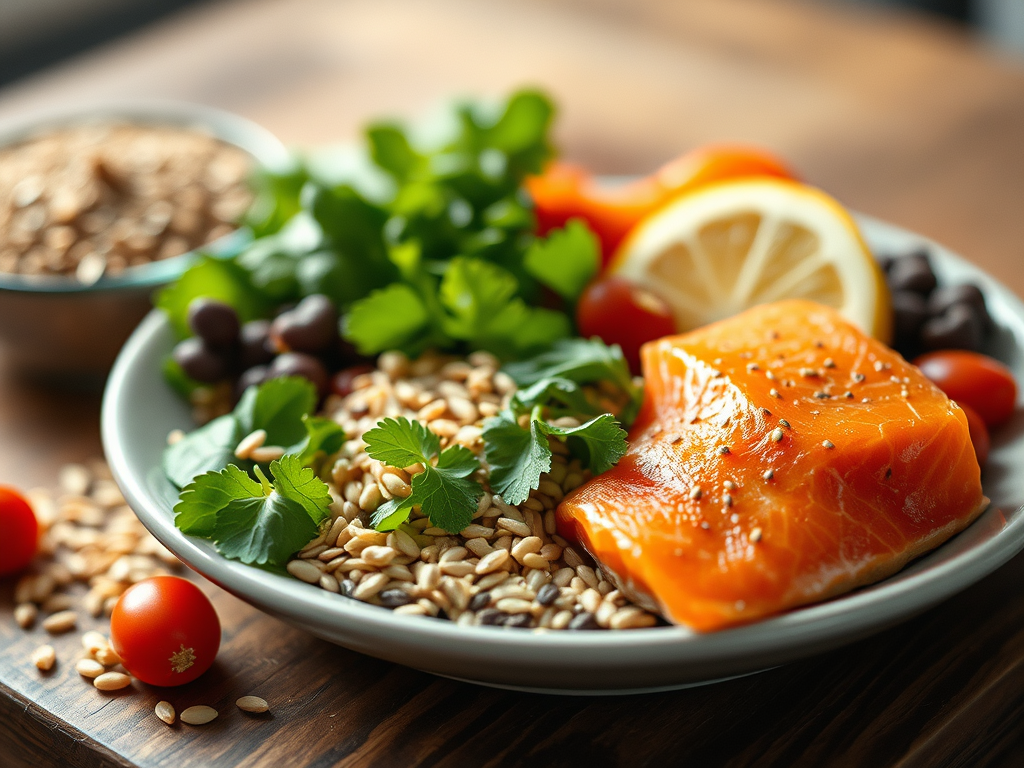
Review of “Effects of Diet on Acne and Its Response to Treatment” by Baldwin H and Tan J. AJCD (2021) 22:55-65
For years, dermatologists debated whether diet really affects acne. Recent studies, however, have established clear connections between what we eat and the frequency or severity of acne breakouts. From high glycemic foods to dairy and omega-3s, research shows that our food choices can either exacerbate or improve skin health. Let’s take a closer look at how specific dietary components impact acne and what evidence-based changes you can make to achieve clearer skin.
How Diet Impacts Acne: The Research Breakdown
- High Glycemic Index (GI) and Glycemic Load Foods:
- Foods with a high glycemic index, such as refined sugars and carbohydrates, cause a rapid increase in blood glucose, spiking insulin levels. Elevated insulin boosts the production of sebum (skin oil), which contributes to clogged pores and inflammation, key drivers of acne development.
- In one randomized controlled trial, individuals following a low glycemic load (GL) diet for 12 weeks saw a 50% reduction in acne lesions compared to those on a high-GL diet(acne and diet). By switching to low-GI foods, such as whole grains and vegetables, you can reduce acne severity and frequency.
- Dairy and Acne: A Strong Correlation:
- Several large-scale studies have found a significant association between dairy intake and acne, particularly with skim milk. Dairy increases levels of insulin-like growth factor-1 (IGF-1), which can trigger excess oil production and inflammation in the skin.
- A cohort study involving over 47,000 women found that those who consumed more milk had a higher likelihood of experiencing acne(acne and diet). Another study of adolescent girls linked increased acne with both full-fat and low-fat milk(acne and diet). To minimize flare-ups, consider limiting milk, cheese, and whey protein intake.
- Omega-3 Fatty Acids: The Anti-Inflammatory Powerhouse:
- Omega-3 fatty acids, found in fish and certain seeds, are well known for their anti-inflammatory effects. Since inflammation is a major component of acne, diets rich in omega-3s can help reduce the number of inflammatory acne lesions.
- In one study, patients who supplemented their diet with omega-3 fatty acids for 10 weeks experienced a significant reduction in both inflammatory and non-inflammatory acne lesions(acne and diet). To support clear skin, increase your intake of fatty fish like salmon, mackerel, or consider omega-3 supplements.
- Probiotics: Early but Promising Evidence:
- The role of probiotics in acne management is still being explored, but early research indicates that probiotics can help balance gut bacteria, which in turn reduces inflammation—a key contributor to acne.
- A small pilot study showed that participants taking Lactobacillus rhamnosus GG probiotics had significantly improved acne after 12 weeks, with reduced levels of IGF-1, a known acne trigger(acne and diet). While more research is needed, incorporating probiotic-rich foods like yogurt, kefir, and fermented vegetables may benefit skin health.
Actionable Steps for Clearer Skin
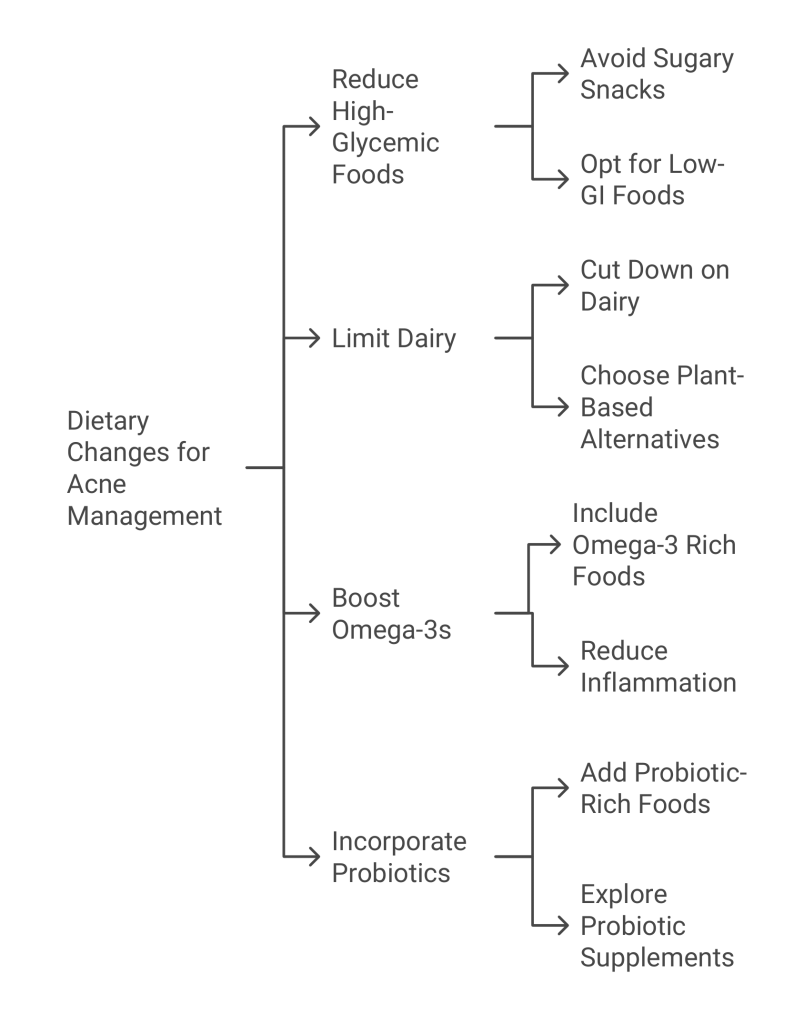
- Reduce High-Glycemic Foods:
- Avoid sugary snacks, white bread, and processed carbs that can spike insulin levels and trigger breakouts. Instead, opt for low-GI foods like whole grains, legumes, and leafy greens.
- Research shows that following a low-GI diet can reduce acne lesions by up to 50%, making it one of the most effective dietary changes for acne management(acne and diet).
- Limit Dairy:
- To prevent excess IGF-1 production, which is linked to increased acne, try cutting down on dairy products like milk and cheese. Opt for plant-based alternatives such as almond, oat, or coconut milk.
- Studies show that reducing milk intake can significantly lower acne severity, especially in individuals prone to breakouts(acne and diet).
- Boost Omega-3s:
- Include more omega-3-rich foods like salmon, sardines, chia seeds, and walnuts in your diet. Not only do omega-3s support overall health, but they also reduce the inflammation associated with acne.
- Clinical trials demonstrate that increasing omega-3 intake can significantly decrease both inflammatory and non-inflammatory acne(acne and diet).
- Incorporate Probiotics:
- Although the research is still emerging, probiotics may offer promising benefits for acne sufferers. Consider adding probiotic-rich foods like yogurt and fermented vegetables to your meals or explore probiotic supplements.
- A small study showed that participants using probiotics had a marked improvement in their acne after 12 weeks(acne and diet).
Conclusion: The Path to Clear Skin Starts with Diet
Acne management goes beyond topical treatments—it starts from the inside. By making simple, evidence-based dietary changes, such as reducing high-GI foods, limiting dairy, increasing omega-3 intake, and adding probiotics, you can improve your skin health naturally. The research is clear: what you eat has a profound impact on your acne, and by taking control of your diet, you can take control of your skin.
 Zehn Skin and Health
Leave a comment