Introduction
Acne vulgaris is one of the most common skin conditions, affecting up to 85% of adolescents and persisting into adulthood for many individuals. Traditionally, the focus of acne management has been on controlling excess sebum production, abnormal keratinization, and the inflammatory response, often targeting Cutibacterium acnes (formerly Propionibacterium acnes), the bacterium historically believed to be the primary culprit behind acne development. However, recent advancements in our understanding of the skin microbiome have begun to challenge this simplistic view, offering new insights into the pathophysiology of acne and its treatment.
Background: Understanding the Skin Microbiome
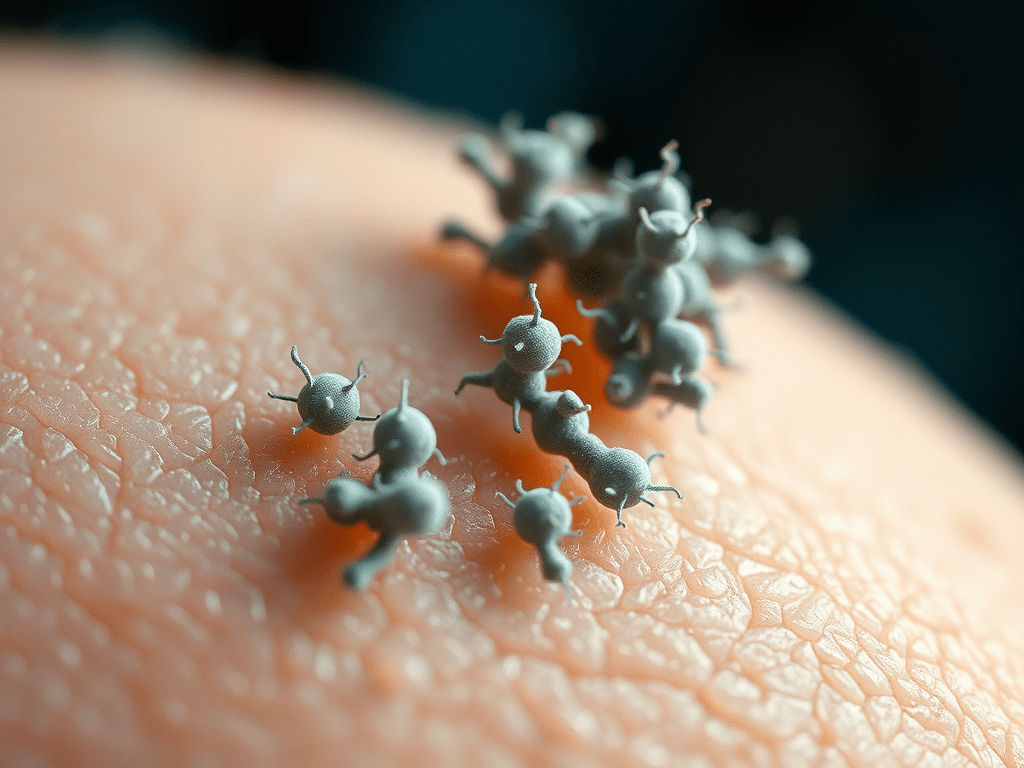
The human skin harbors a diverse ecosystem of microorganisms, collectively known as the skin microbiome, which includes bacteria, fungi, and viruses. In healthy skin, these microorganisms exist in a balanced state, contributing to barrier function, modulating immune responses, and preventing the colonization of pathogenic species. However, when this delicate equilibrium is disturbed, skin disorders such as acne can arise.
Historically, C. acnes was thought to play a singular pathogenic role in acne development due to its association with sebaceous glands and its ability to produce inflammatory mediators. However, new research suggests that C. acnes is not uniformly harmful. In fact, multiple strains of C. acnes exist, some of which are commensal and contribute to skin health, while others are more likely to induce inflammation and lead to acne.
New Insights: The Skin Microbiome and Acne
Emerging studies on the skin microbiome have identified a more complex interplay of microbial communities in acne patients. The overgrowth of certain strains of C. acnes has been linked to inflammatory responses, but this is not the whole story. Other microorganisms, including Staphylococcus epidermidis and Malassezia species, also play critical roles in maintaining skin homeostasis and modulating inflammation. In acne-prone individuals, there appears to be a disruption in the balance between these commensal organisms and pathogenic strains.
For example, S. epidermidis has been found to exert protective effects by producing antimicrobial peptides that limit the growth of pathogenic C. acnes strains. In contrast, certain inflammatory subtypes of C. acnes are associated with biofilm formation, increased virulence factors, and the activation of the innate immune system, leading to the development of acne lesions.
Implications for Treatment
The recognition of the microbiome’s role in acne pathogenesis opens the door for new treatment strategies aimed at restoring microbial balance rather than merely eradicating bacteria. Traditional acne therapies, such as topical and systemic antibiotics, have been widely used to reduce C. acnes populations, but their broad-spectrum nature also disrupts beneficial microbes, potentially contributing to antibiotic resistance and further microbial imbalances.
Newer therapeutic approaches may involve microbiome modulation, such as the use of probiotics, prebiotics, and postbiotics. These treatments aim to promote the growth of beneficial bacteria while inhibiting the pathogenic strains implicated in acne. In addition, bacteriophage therapy, which specifically targets harmful bacterial strains without affecting commensal species, is an exciting area of research with potential for future acne treatments.
Limitations and Future Directions
While the role of the microbiome in acne is an exciting frontier, it is still a relatively young field of study. Current research primarily relies on observational studies, and more clinical trials are needed to validate the efficacy of microbiome-based therapies in acne management. Additionally, the complexity of the skin microbiome means that treatment approaches will likely need to be personalized based on an individual’s unique microbial profile.
Bottom Line
The evolving understanding of the skin microbiome represents a significant shift in the way we think about acne. Rather than focusing solely on eradicating bacteria, future acne treatments may aim to restore microbial balance, harnessing the protective effects of commensal microorganisms while selectively targeting pathogenic strains. This approach could lead to more effective and sustainable acne treatments, with fewer side effects and less risk of antibiotic resistance.
Reference:
Dréno B., Dagnelie M.A., Khammari A., Corvec S. The Skin Microbiome: A New Actor in Inflammatory Acne. Am J Clin Dermatol. 2020;21(Suppl 1). https://doi.org/10.1007/s40257-020-00531-1.
 Zehn Skin and Health
Leave a comment